Damp Proofing Guides
Damp proofing prevents groundwater and moisture entering buildings through walls and floors. A damp proof course (DPC) is a horizontal barrier in walls, typically at 150mm above ground level. Internal treatments manage moisture where external work is impractical. These guides explain how damp proofing works, when it's needed, and which method suits your situation.
Damp Course Explained: What is a DPC and How Does it Work?
Complete guide to damp proof courses: what they are, how they prevent rising damp, Building Regulations requirements, and the difference between DPC and DPM. Covers materials used in new builds, retrofit methods (chemical injection and physical insertion), and how to identify DPC failures. Building Regulations Approved Document C requirements explained.
All Damp Proofing Guides
DPC Meaning: What is a Damp Proof Course?
DPC acronym explained, why buildings need them, and when they became mandatory in the UK.
How to Treat Damp Walls Internally
Internal membranes, renovating plaster, and ventilation improvements for when external repair is impractical.
Damp Wall Treatment Options: Choosing the Right Fix
Comparison of treatments for rising damp, penetrating damp, and condensation. Which method works for each cause.
Damp Proof Plaster: When to Use Renovating Plaster
Salt-resistant plaster systems for damp walls. How they work, when to use them, and how to apply correctly.
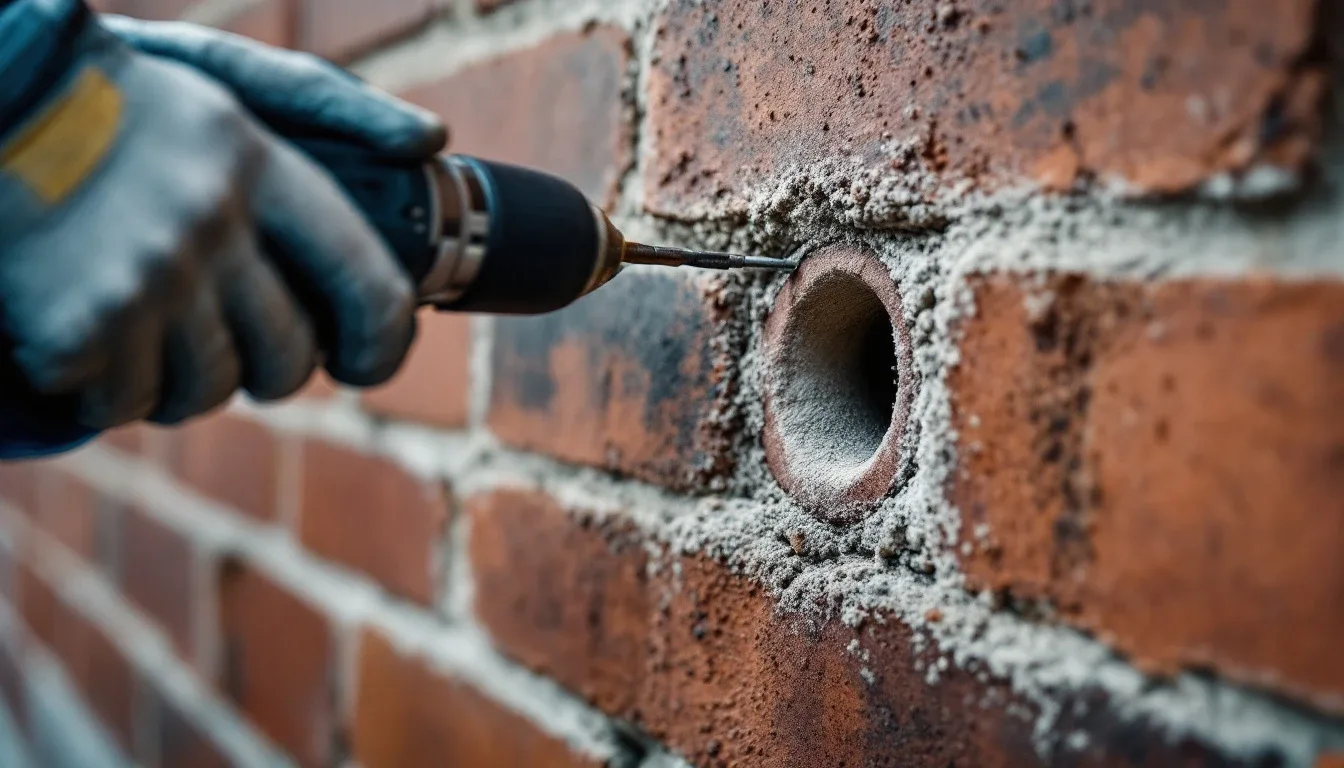
Damp Proof Injection: How Chemical DPCs Work
Chemical DPC injection process, effectiveness, costs, and when it's the right choice for retrofitting damp proof courses.
How Much Does Damp Proofing Cost?
UK price guide 2026: chemical DPC £40-70/m, replastering £80-120/m², what affects quotes, and when to pay for guaranteed work.
See also: Rising Damp Guides · Basement Waterproofing Guides